
Transoral Incisionless Fundoplication (TIF)
- Restores natural anti-reflux valve without surgery
- No incisions, no visible scars
- Minimally invasive, performed through the mouth
- Same-day discharge for most patients
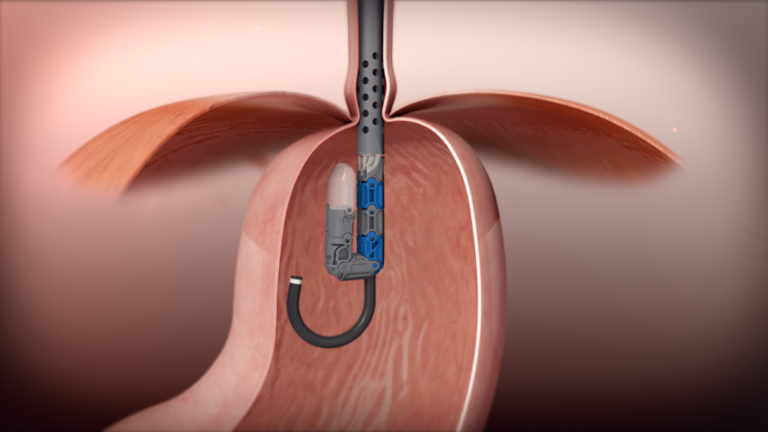
What is TIF and Who is it For?
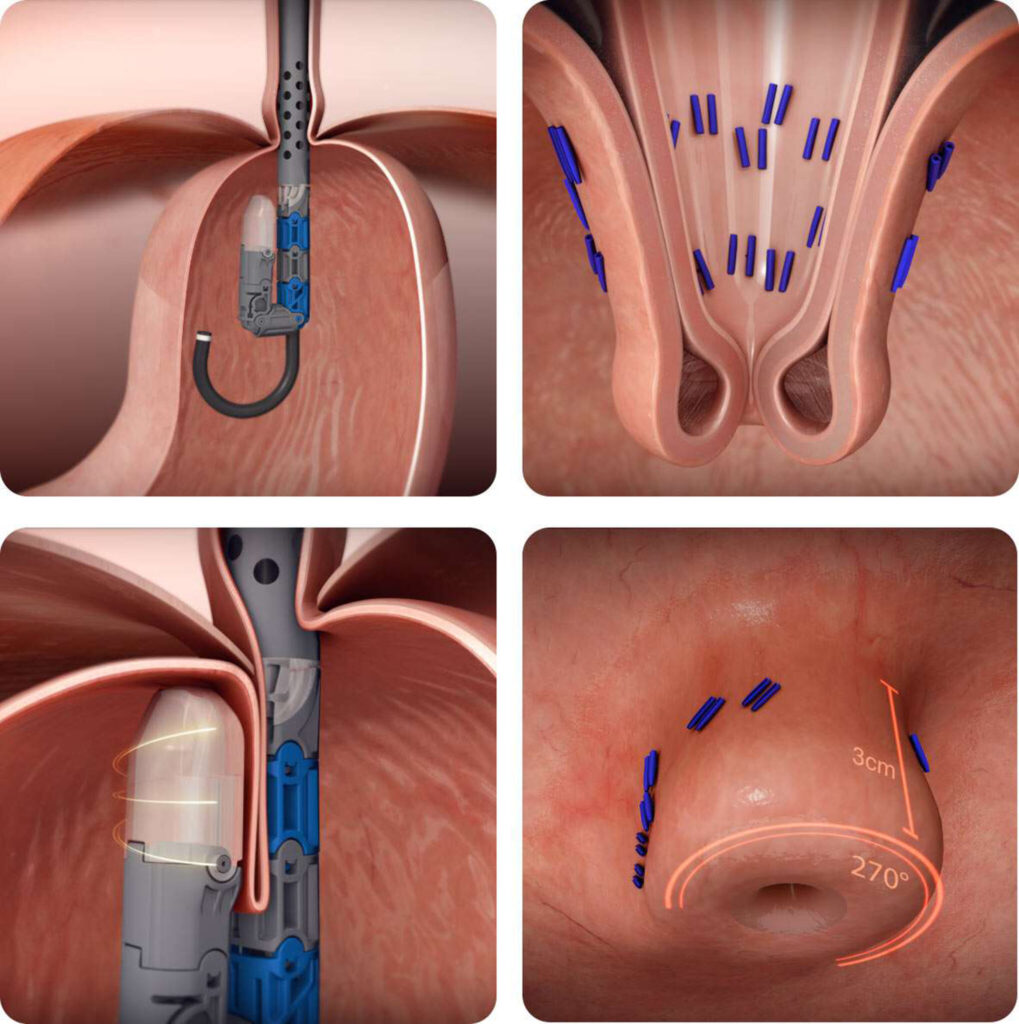
Transoral Incisionless Fundoplication, or TIF, is a minimally invasive endoscopic procedure designed to treat GERD. Unlike traditional surgeries that require incisions and external scarring, TIF is performed entirely through the mouth using a flexible device and a high-definition endoscope. The procedure involves folding and fastening the upper portion of the stomach around the base of the esophagus to recreate a functioning valve. This newly formed valve acts as a barrier to prevent acid from refluxing into the esophagus.
This procedure is particularly suited for individuals whose GERD symptoms are not adequately controlled with medications such as proton pump inhibitors (PPIs). It is also ideal for patients who want to avoid surgery or are concerned about the long-term side effects of acid-suppressing medications. Patients with little or no hiatal hernia or a small one less than two centimeters are usually good candidates for TIF. Dr. Bedi conducts a detailed diagnostic evaluation to determine each patient’s suitability, ensuring the best possible outcomes.
Why Choose the TIF Procedure?
Faster Recovery
Shorter downtime than traditional surgeries
Less post-procedure discomfort
Many return to normal activities within days
Minimally Invasive
No external incisions or abdominal cuts
Performed entirely through the mouth (transorally)
No visible scarring
Reduced Dependence on Medications
Many patients stop or reduce reflux medications
Long-term relief from heartburn, regurgitation, and chest discomfort
Improves quality of life without daily pills
Expert-Guided Precision
Performed by Dr. Bedi, an expert in endoscopic therapy
Customized approach based on your anatomy and symptoms
Safe, precise, and tailored for optimal results
What to Expect: Before & After TIF
Pre-Procedure Evaluation
You’ll undergo diagnostic tests to confirm GERD and check eligibility.
A Bravo wireless pH test monitors acid levels in the esophagus for 48–96 hours.
An upper endoscopy checks for inflammation or damage.
A barium swallow (video X-ray) evaluates how the esophagus and valve function.
Hiatal Hernia Considerations
Small hiatal hernias can often be repaired during TIF.
Larger hernias may require cTIF, combining laparoscopic hernia repair with the TIF procedure.
During the TIF Procedure
Takes about 30–45 minutes.
Performed through the mouth under sedation (no external cuts).
The TIF device folds and fastens the top of the stomach to the lower esophagus to rebuild the valve.
Most patients go home the same day.
Recovery and Aftercare
Recovery includes a phased diet: clear liquids → soft foods → regular diet over 2–3 weeks.
Light activities can usually resume within a few days.
Some foods like bread and red meat are avoided temporarily.
Dr. Bedi will guide you on safely reducing reflux medications post-procedure.
TIF vs. Traditional Surgery: Which Is Better?
Traditional Surgery
- Requires abdominal incisions
- Stomach is wrapped tightly around the esophagus to reinforce the valve
- Can cause bloating and difficulty swallowing
- Patients may lose the ability to belch or vomit
- Has a longer recovery period
- May leave visible scars
Transoral Incisionless Fundoplication
- Minimally invasive with no external incisions
- Creates a longer, less constrictive valve, reducing side effects
- Typically results in fewer postoperative symptoms
- Provides similar long-term success to traditional surgery
- Repeatable and reversible if future treatment is needed
- Offers a more comfortable and cosmetically appealing option
Frequently Asked Questions
The most Commonly asked questions include:
What is TIF used to treat?
Transoral Incisionless Fundoplication (TIF) is used to treat chronic gastroesophageal reflux disease (GERD) by repairing the weak valve between the stomach and esophagus. It is especially effective for patients who do not respond fully to medications like PPIs.
Will I still need medication after TIF?
Many patients are able to reduce or stop taking reflux medications after TIF. Dr. Bedi will monitor your recovery and help you taper off medication safely, based on your progress and symptom relief.
How long does the procedure take?
The TIF procedure takes approximately 30 to 45 minutes. Patients are typically advised to arrive at the clinic earlier for preparation and are often discharged the same day, depending on how they feel post-procedure.
Is it painful?
No, TIF is performed under sedation, and patients remain comfortable throughout. Any post-procedure discomfort is minimal and may include mild throat soreness or chest pressure, which usually resolves quickly.
How long do the results last?
In most patients, the benefits of TIF last for eight to ten years or longer. If symptoms return over time, a repeat procedure or additional therapy may be considered.
What are the risks of TIF?
TIF is considered very safe, especially when performed by an experienced endoscopist like Dr. Bedi. Minor side effects such as temporary throat irritation or mild bloating may occur. Serious complications like bleeding or injury to the esophagus are rare.
Schedule Your Consultation
If you’re exhausted from medications that barely take the edge off or you’re searching for a way to treat GERD without committing to traditional surgery, TIF offers a far more comfortable path forward. Under the care of Dr. Gurneet Bedi, patients benefit from a precise, minimally invasive treatment approach backed by advanced endoscopic expertise and a genuine commitment to long-term relief.
Schedule a Consultation today and get relief from Acid reflux.